Nihonbashi, Chuo Ward, Tokyo
FUJIFILM X100VI Velviaカスタム
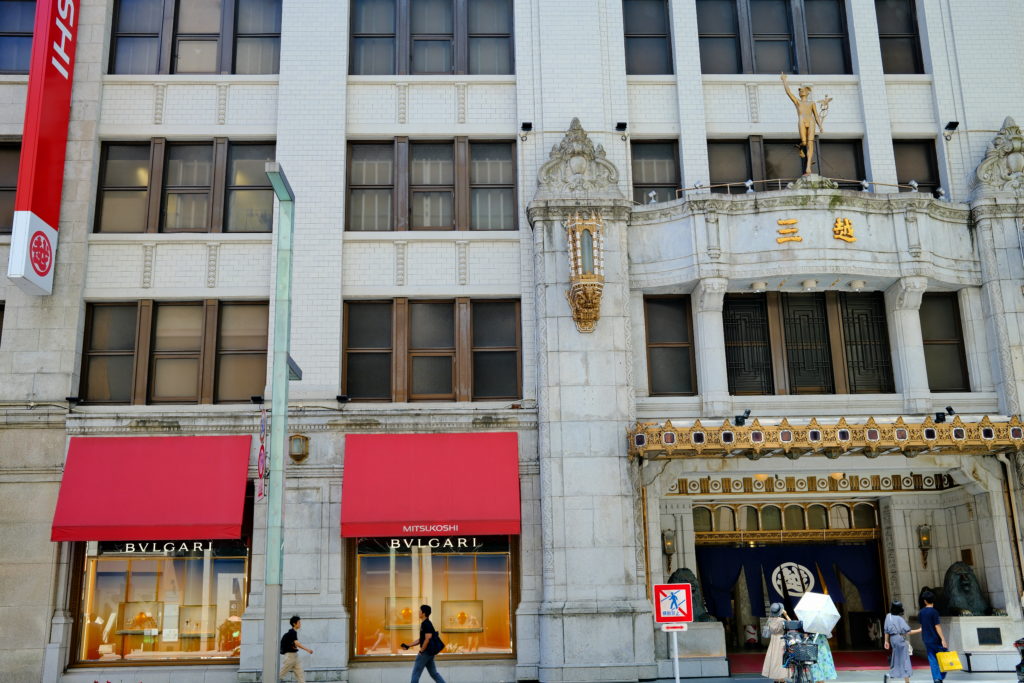
お土産を買うため日本橋 三越に行ってきました。
I went to Mitsukoshi in Nihonbashi to buy some souvenirs.
FUJIFILM X100VI Velviaカスタム
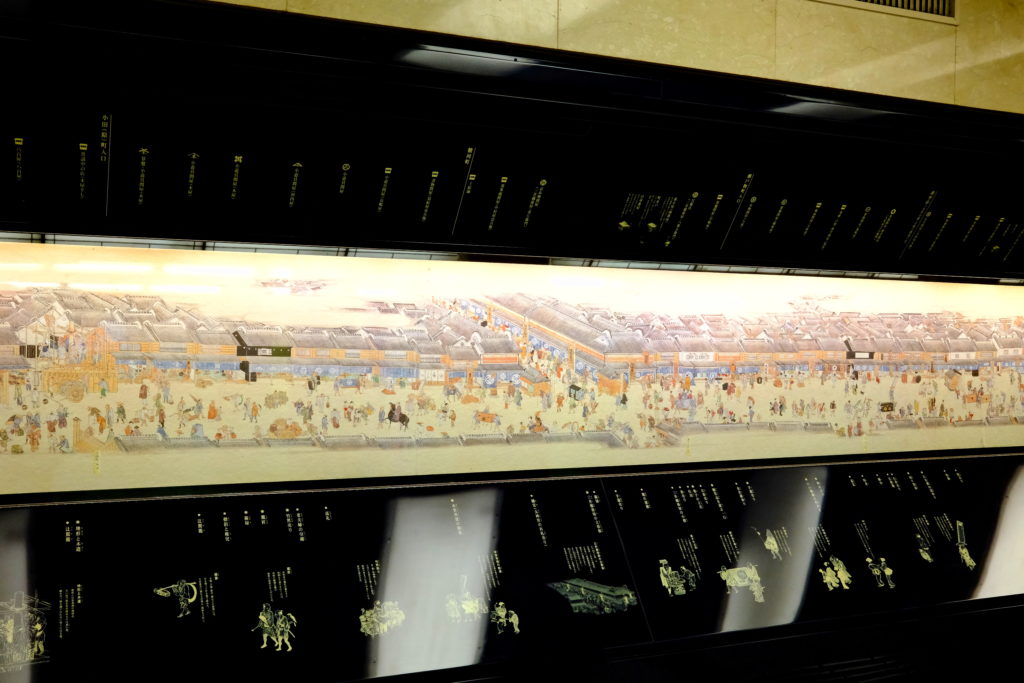
銀座線三越駅前を出て地下構内にあった絵巻物のオブジェです。数百年前の日本橋周辺です。
真ん中あたりがのちに三越デパートとなる「三井越後屋」が描かれています。
歴史を感じられて端から端まで見てしまいました。ここだけで10分はつぶせそうです。
This is a picture scroll sculpture found in the underground area just after leaving Mitsukoshimae Station on the Ginza Line. It depicts the Nihonbashi area from several hundred years ago.
Roughly in the middle is the Mitsui Echigoya, which would later become the Mitsukoshi department store.
I was so immersed in history that I ended up looking at it from end to end. I think I could easily spend 10 minutes here alone.
FUJIFILM X100VI Velviaカスタム
日本橋三越に行くのは何十年ぶりだと思います。数百年の歴史のあるお店なのでほんの一瞬かもしれないですね。
It’s been decades since I’ve been to Nihonbashi Mitsukoshi, but it may only be a moment, as it’s a store with hundreds of years of history.

FUJIFILM X100VI Velviaカスタム
これは三越デパートの中にそびえたっています。見る価値あります。圧倒されます。
This sculpture stands tall inside the Mitsukoshi department store. It’s definitely worth seeing. It’s overwhelming.

FUJIFILM X100VI Velviaカスタム
FUJIFILM X100VI Velviaカスタム
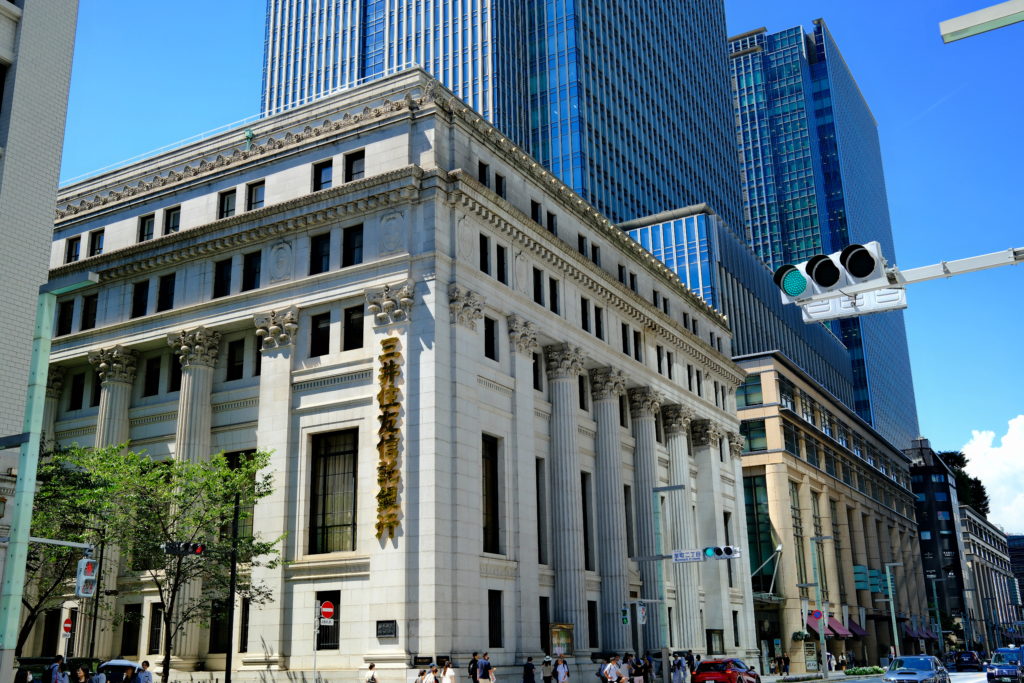
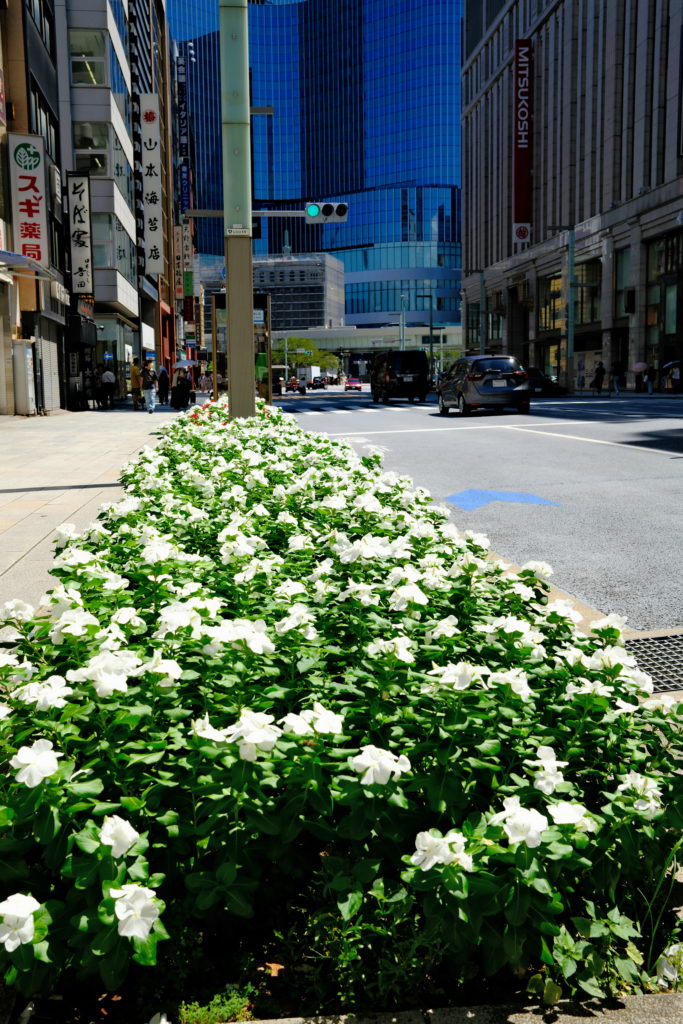
三越のすぐ隣のこの建物。すぐにわかる方は多いかと思いますが、ドラマ『半沢直樹』(2013)で半沢直樹(堺雅人)が勤める東京中央銀行本店として登場しました。
This building, located right next to Mitsukoshi, may be immediately recognizable to many, as it was featured in the TV drama “Hanzawa Naoki” (2013) as the Tokyo Chuo Bank headquarters where Naoki Hanzawa (played by Masato Sakai) works.
FUJIFILM X100VI Velviaカスタム
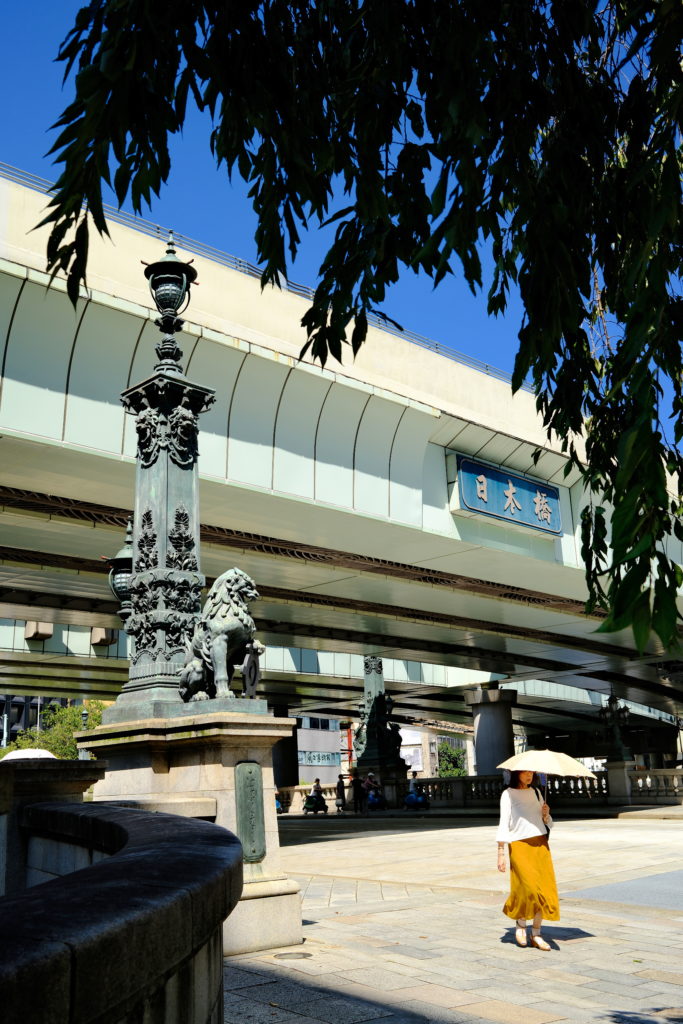
この先に見えるのが日本橋です。もっと先に行くと銀座方面になります。
Nihonbashi is visible up ahead. Further ahead you will reach Ginza.

FUJIFILM X100VI Velviaカスタム
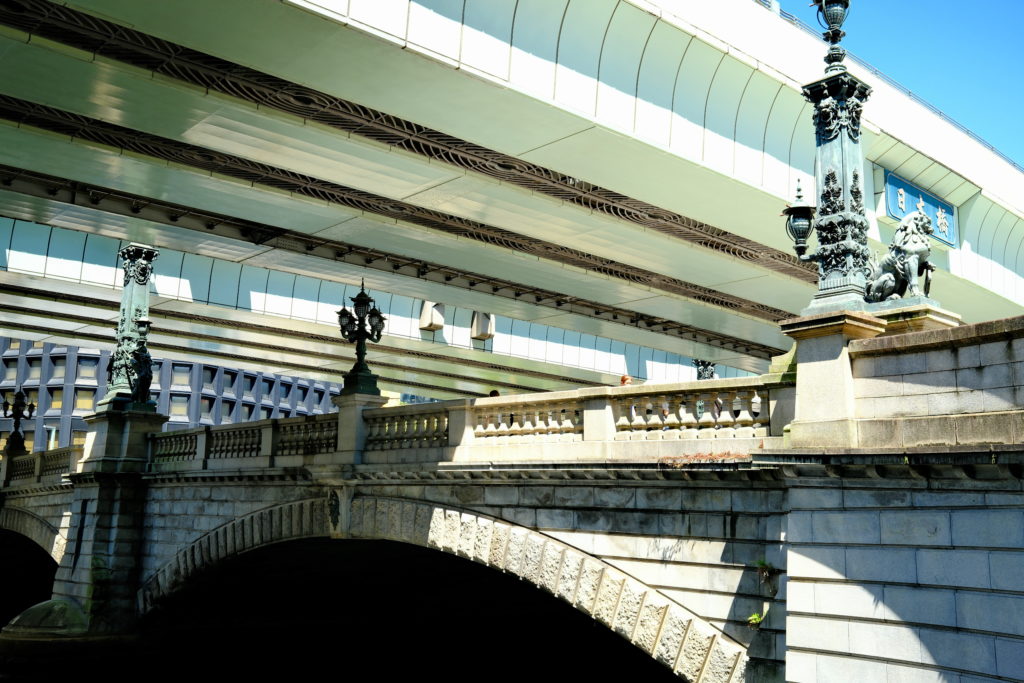
日本橋の看板の下に川があり橋になっています。
There is a river under the Nihonbashi sign and a bridge.

FUJIFILM X100VI Velviaカスタム
日本橋の交差点
Nihonbashi intersection
FUJIFILM X100VI Velviaカスタム
日本橋周辺はとにかく高層ビルが多くて、江戸時代のかけらもありません。
江戸時代の庶民の人達に、今の日本橋を見てもらったら、怒られないですかね?
The Nihonbashi area is full of skyscrapers and there’s no trace of the Edo period.
Wouldn’t common people from the Edo period be angry if they were to see Nihonbashi today?